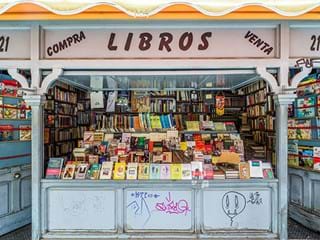
Smallie. by Eden McKenzie-Goddard
A novel that brings to life the individual and collective trauma of the Windrush scandal. In 1961, 19-year-old Lucinda Brown travels to England in search of her son’s father, Clarence Braithwaite, who left Barbados to join the British army. Aboard the ship to Southampton she meets Raldo, who holds out the promise of a better life than the one she will have with Clarence. The novel moves between her arrival in the UK and the time fifty years later, after Lucinda has received a letter from the Home Office that threatens to destroy the life she has built for herself. To prove their mother's legal arrival in the UK all those years ago, her children have only one option, to track down an elusive man from her past … Raldo.
Transcription, by Ben Lerner
Ben Lerner’s fourth novel is (so far) my favourite novel of the year. It’s only about 100 pages and is as beautifully crafted as a poem, with every single word counting in what (astonishingly) feels like a leisurely meander through the reflections of our narrator, his account of an academic dinner and a long conversation with his friend. This is a serious novel, covering weighty topics, in a way which never feels weighty. Memory, creativity, truth and honesty, our relationships with family, friends, colleagues and the ways on which technology is changing these are explored with nuance and wry humour in a novel which is, in the end, beautifully life-affirming. (I also recommend listening to Ben Lerner read his own short stories on the New Yorker’s The Writer’s Voice podcast.)
Noontide Toll, By Romesh Gunesekera
I recently re-read this collection of stories, set in contemporary Sri Lanka after the Civil War and tsunami. Told in the voice of a minibus driver, escorting visitors, tourists and business people around the country, these beautifully crafted stories reveal much about memory, the ravages, remnants and hauntings of war and how people re-build their wounded lives. (See the 'For Your Students' section for a young adult graphic novel which also reflects on the effects of the Civil War and tsunami in Sri Lanka.)
A Truce That is Not Peace , by Miriam Toews
I received one of Miriam Toews' novels as a Secret Santa present at EMC a couple of years ago and have gone on to read and really enjoy all of her novels (which are a sort of auto-fiction). A Truce That is Not Peace is memoir, full of the stuff of daily life, but a writer’s life, so consistently concerned in its structure as well as ideas, with how we tell and record things, both to ourselves as memories, and to others. It’s thoughtful and vibrant, funny and sad, and funny about sad things in the way that all her books are. Highly recommended.
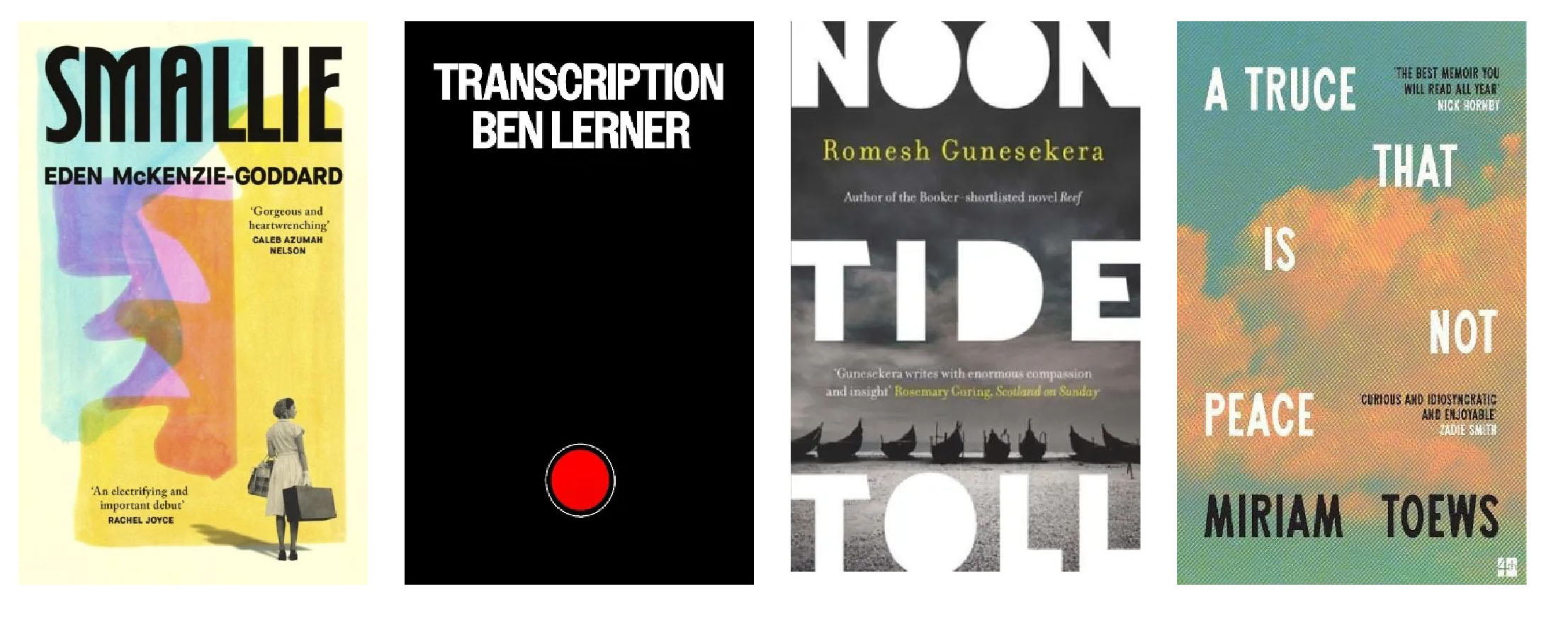
Non-Fiction: London Falling, by Patrick Radden Keefe
Gripping non-fiction which starts with a young man falling from a tower block and grows into an exploration of a complex web of underworld connections. I enjoyed listening to the author read this on audiobook.
Solace House, by Will Maclean
If you liked David Mitchell’s Cloud Atlas or Susanna Clarke’s Piranesi, this should be up your street. It’s a slightly mind-frying slice of modern gothic psychedelia (mushrooms are involved) with layers of plot and puzzle to keep you intrigued.
Small Scale Sinners, by Mahreen Sohail
Stories of sisterhood, sex, coming-of-age and hair in contemporary Pakistan. Written in a highly distinctive voice, this is an eclectic, captivating collection of short stories that take the reader in unexpected directions.
Black Bag, by Luke Kennard
This wonderfully surreal novel takes its (initial) inspiration from a psychological experiment carried out in the 1960s and pushes it to its limit – and beyond. Our narrator, an out of work actor, is employed to attend lectures, silently, dressed entirely and only in a black bag. Attacking the role with zeal, the narrator quickly not only becomes attached to his bag (customising it with internal pockets to keep his debit card and the crossword), but protective of his identity as 'Black Bag'. With a love story (sort of), an epic boat trip (sort of), a very contemporary get-rich quick scheme (scam?), infiltration of and rescue from a cult (sort of), this is a sad and funny story of 21st century life (sort of).
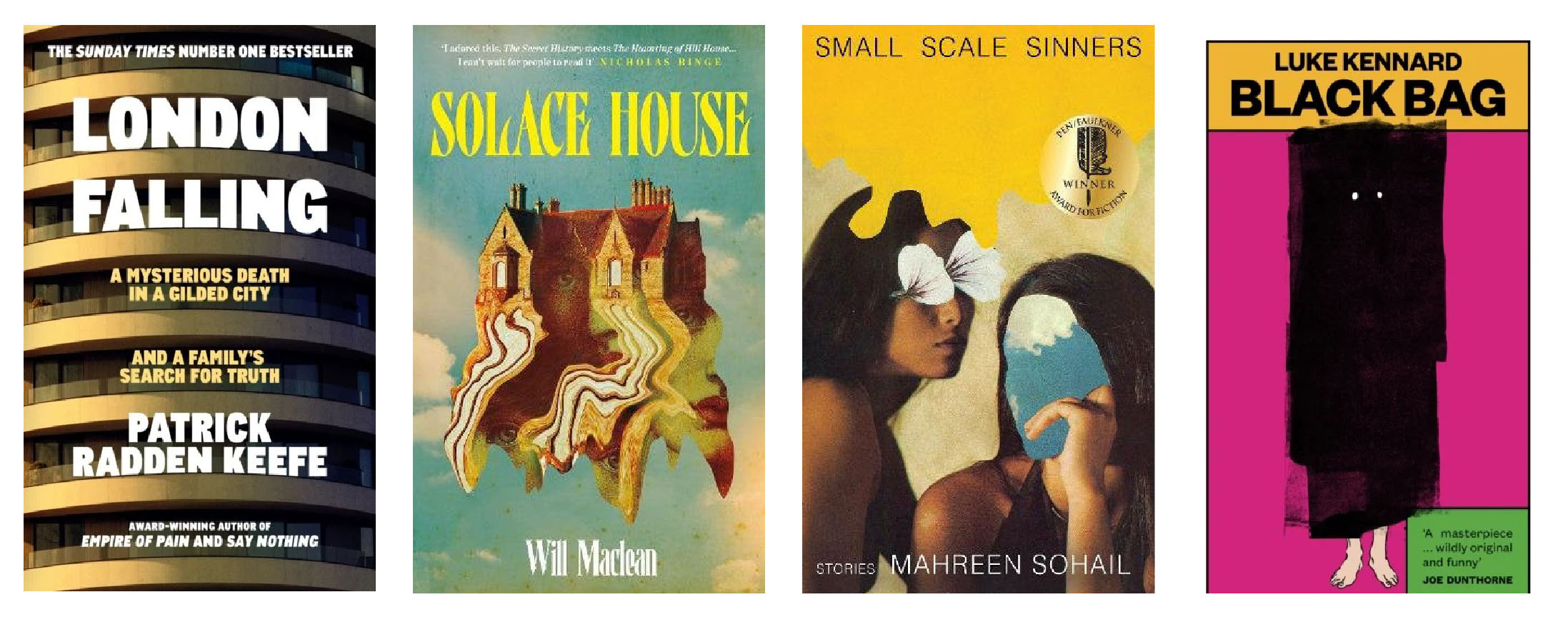
The Palm House, by Gwendoline Riley
I love Gwendoline Riley’s slim novels (First Love, Phantoms, Cold Water) which sparely and spikily observe contemporary cities, lives and relationships and Palm House is a particularly enjoyable and barbed slice of 21st-century life. A mother-daughter relationship (the focus of My Phantoms) does feature here but the main relationship is one of friendship, played out in after-work conversations over a drink and shared bag of crisps between Laura, the narrator, and Puttnam. In some ways nothing much happens – or perhaps the stuff of life happens (Puttnam’s father dies, he decides to leave Sequence, the small cultural magazine he has dedicated his working life to) – dramatic to those affected, banal to everyone else. It’s worth reading just for the depiction of Simon (‘Shove’) Halfpenny whose arrival at Sequence prompts Puttnam’s departure. Brilliantly ghastly.
A Tale of Two Cities, by Charles Dickens
Sometimes an iconic book passes you by. Why had I never read it? For some reason, it just didn’t really appeal. Recently, deciding to give it a go, I was bowled over by everything about the novel – the gripping storyline, fascinating French Revolution context, superb writing - both humorous and serious. I now count it as one of my favourite Victorian novels.
Come and Get It, by Kiley Reid
Set on campus in the U.S., it’s the well-observed social dynamics that stand out. It’s very well-plotted - excruciatingly so as we see small decisions incrementally gain significance and reach, almost in the manner of a farce, and what began as satisfyingly well-paced becomes an incredibly tense but fun read! (Such A Fun Age by the same author is also recommended.)
Devotions, by Lucy Caldwell
Lucy Caldwell is one of my favourite short story writers – I’ve previously recommended Intimacies and Multitudes – and her recent collection is, I think, one of the best. From a short story about the filming of the iconic dance in 'The Sound of Music' (her depiction of Christopher Plummer is brilliantly grumpy) to a story of second chances in 'All Grown Up', from a story of theatre group at the end of a New York run of 'Choose Your Own Hamlet' to a ghost-like story of a woman’s visit to her unhappy sister. The style is wry, understated, and sometimes so translucent you almost don’t realise you are reading. While the characters are often overwhelmed or struggling, often isolated, these are stories which also show our resilience and the importance of human connection. (I’d also highly recommend Caldwell’s short story 'All the People Were Mean and Bad' – the winning story in the 2021 BBC Short Story Competition. Read here by Laura Pyper.)
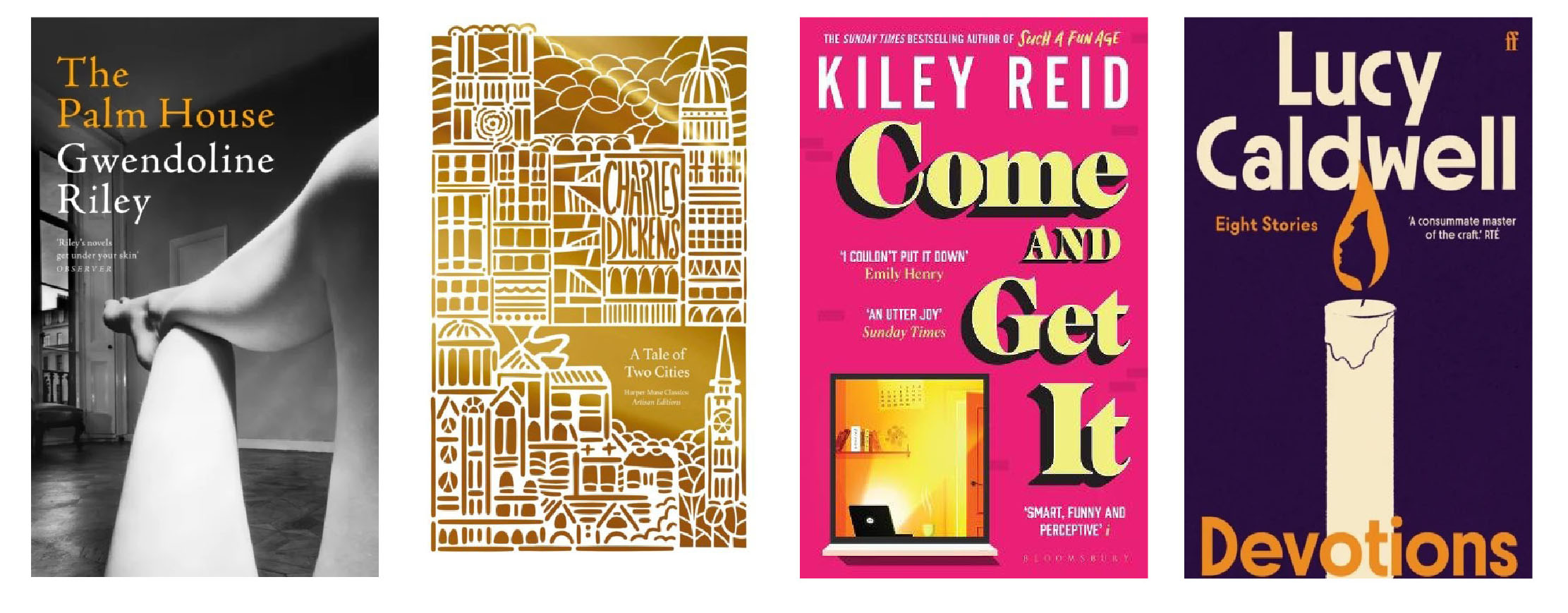
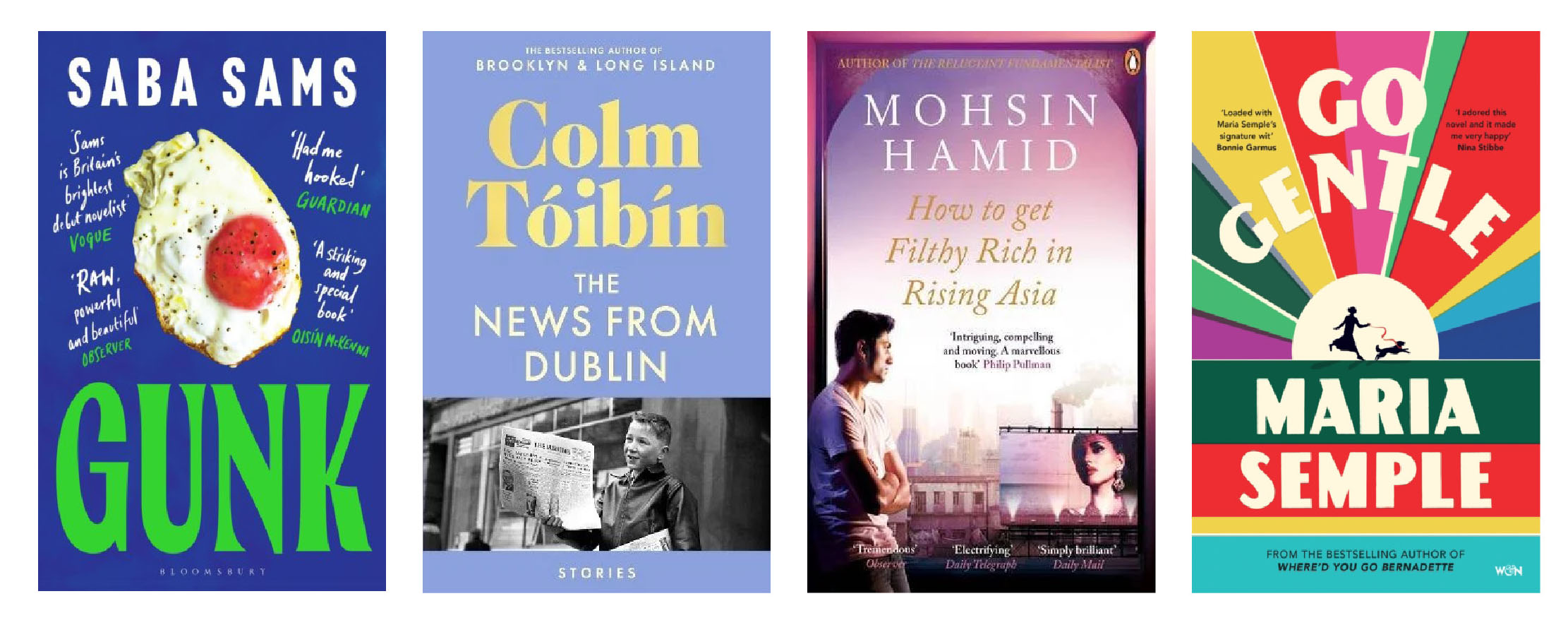
Gunk, by Saba Sams
Against a backdrop of divorce, infertility, seedy nightclubs and grotty bedsits, an unconventional family emerges. It took me a while to get into this book (which was gifted to me) but I’m glad I persevered. The rich characters and their ordinary but complicated lives stayed with me.
The News from Dublin, by Colm Toibin
Brilliant short stories, told with a quiet intensity, as they track the lives of individuals living far from home. Each story brings a world to life – be the protagonist living in London or Barcelona, San Francisco or Buenos Aires, Dublin or the Pyrenees.
How To Get Filthy Rich in Rising Asia, by Mohsin Hamid
This was written in 2013 and it had been lurking on my bookshelf for a while. I don’t know why - it was very funny and moving and I whizzed through it. Written in the style of a cheesy self-help book in the second person, it instructs ‘you’ - a nameless boy born into rural poverty - how to climb to the top of a booming, ruthless metropolis. In the end and without you realising it’s happening, it becomes a meditation on ageing, love and what’s left when the hustle is over.
Go Gentle , by Maria Semple
In her latest novel, Maria Semple (author of Where’d You Go, Bernadette), manages to combine philosophy and how it can help us live our 21st century lives with a fast-paced international art-heist plot! It’s real page-turner that’s both funny and thought-provoking and I thoroughly enjoyed it.
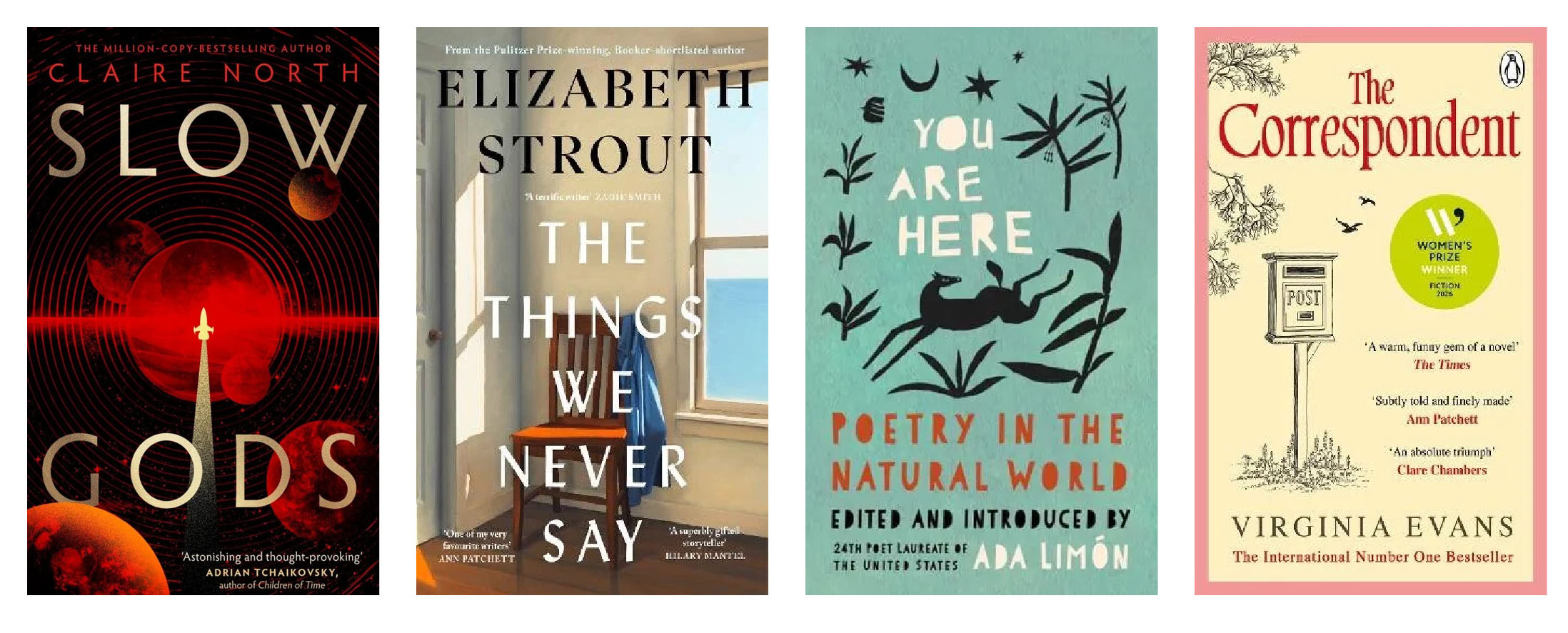
Slow Gods, by Claire North
North has written some engaging and thoughtful page-turners, such as The First Fifteen Lives of Harry August and The Pursuit of William Abbey, but this is her first sci-fi novel and it’s both a neat allegory for planetary collapse at the hands of rapacious capitalists and an emotionally resonant reflection on love… with arcspace pilots, sentient AIs and characters called things like Mawukana na-Vdnaze. It’s great.
The Things We Never Say, by Elizabeth Strout
In her latest slim novel, Strout leaves behind the characters Lucy Barton, Olive Kitteridge and Bob Burgess, to tell the story of Artie Dam, a middle-aged history teacher. As he continues his quiet life of kindness and compassion, he is plagued by worries about his grown-up son, the state of the world and a deepening sense of bewildered isolation. This is a story with a desperate tragedy in the past, with secrets kept hidden and secrets revealed, but in a way these are just the vehicle for revealing character of Artie Dam. Strout is brilliant at conveying the hidden angsts of ordinary lives in quiet and spare prose – and at teasing out the stories that show what connects us and, in the end, makes it all worthwhile.
Poetry: You Are Here, Edited and introduced by Ada Limon
Limon, current US Poet Laureate, commissioned a huge range of American poets (50 of them) to write about the flora and fauna of their local landscape. The result is an interesting mix, full of surprises.
The Correspondent , by Virginia Evans
I thought this novel, told entirely in letters, might be a bit twee, but I was wrong (a case of hype doing a disservice to a novel). I thoroughly enjoyed it and became very invested in the life of Sybil and the lives of those she writes to. It’s a skilful use of the epistolary form, developing character and a story played out over years, while never losing the sense that we are reading letters.
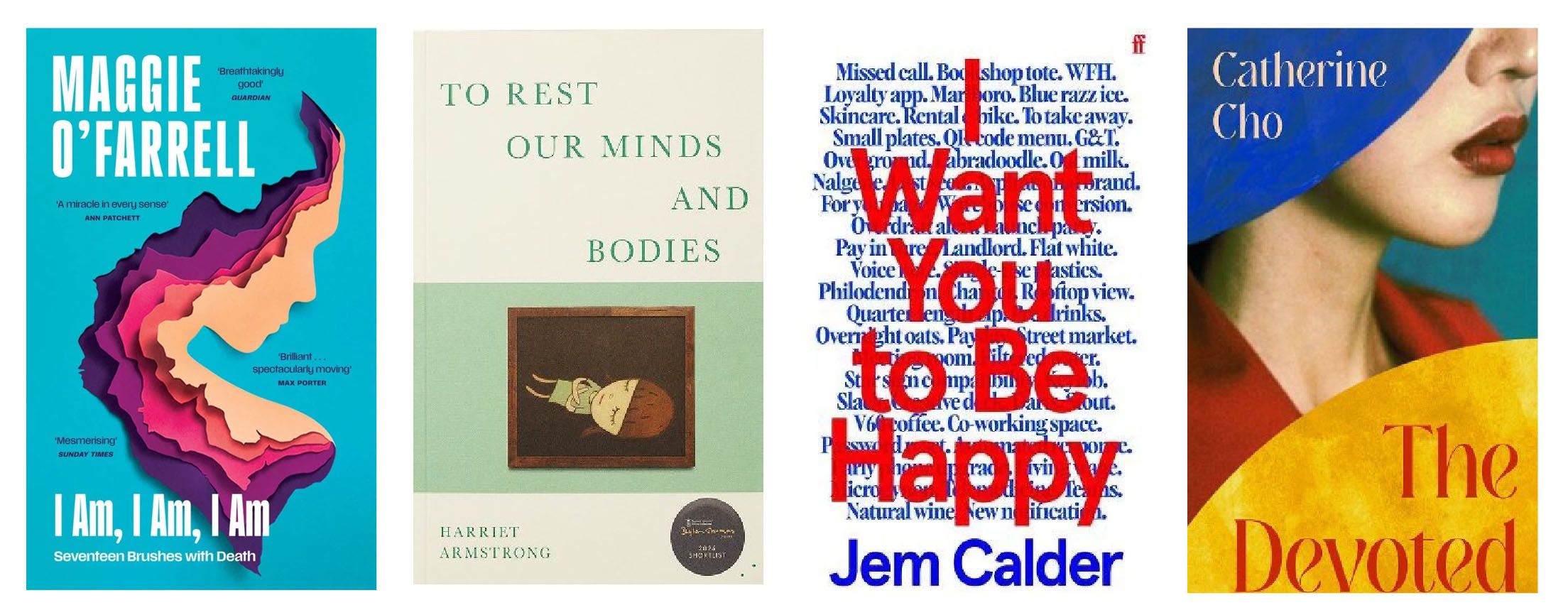
Non-Fiction: I Am I Am I Am , by Maggie O’Farrell
Structuring her life through seventeen near-fatal experiences ranging from childhood encephalitis to a terrifying encounter with a murderer, Farrell creates an inventory of mortality that celebrates life.
To Rest Our Minds and Bodies, by Harriet Armstrong
A debut novel told in the remarkably candid and unsettling voice of an unnamed university student struggling to adapt to the demands placed on her by adult life and how they intersect with her own ideas, desires and anxieties. This book is often funny, resists simple moral judgements and takes the reader to unexpected places.
I Want You to be Happy, by Jem Calder
In a Guardian review Calder was compared to Sally Rooney and I can see why – the messy lives of 20 and 30-somethings, working in coffee shops while writing poetry, their relationships and their desperate efforts not to show they are not in fact invested in these relationships. But I think it speaks to Kennard’s Black Bag – particularly in the exploration of male friendship and the strange very 21st century jobs the friends have (here a gamer with millions of followers). The story is told from alternating points of view – which makes the chapters told from the perspective of the increasingly troubled Chuck particularly interesting. (If nothing else, read for the excruciating Teams meetings.)
The Devoted, by Catherine Cho
Eunha, a young Korean woman, is drawn into the criminal underworld of Hong Kong via a family connection. We most often see the Triads in macho thrillers and police dramas, but Cho's novel centres the women. A compelling story – full of atmosphere, tense and devastating.
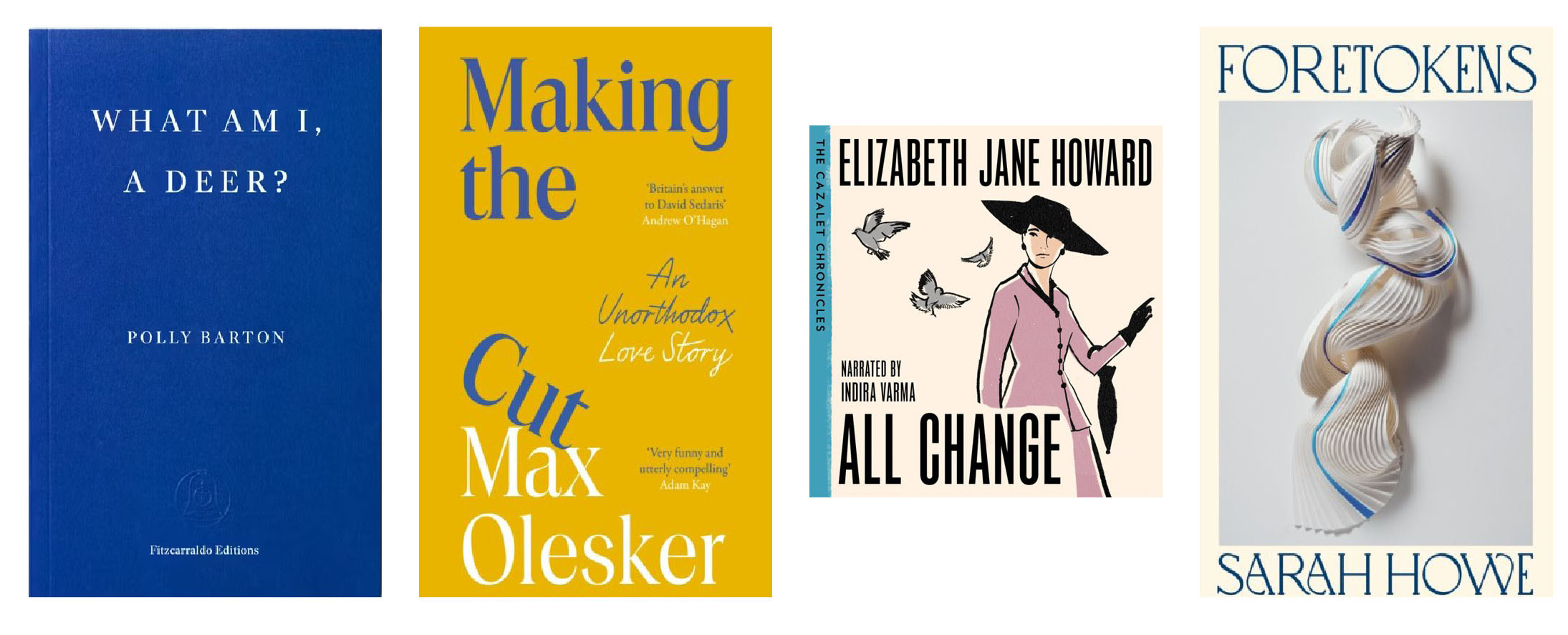
What am I, a deer? by Polly Barton
If drifting/lost young adult moves to a European city in order to angst in a cooler place than the UK (here Frankfurt), is your thing (it is mine), you’ll enjoy Barton’s debut novel. Making her protagonist a translator with a penchant for karaoke and an all-consuming obsession for a fellow commuter – a sort of fantasy coup-de-foudre – gives an interesting edge to the exploration of familiar themes: (mis) communication, excruciating self-awareness, identity – and acting and self-reinvention, obsession, love. I particularly liked the narrator’s growing awareness that her gaming colleagues (and enthusiastic karaoke companions) don’t feel the need to curate their every word, expression or decision.
Non-Fiction: Making the Cut, by Max Olesker
A classic tale of boy from the ‘wrong’ side of the tracks (non-Orthodox Judaism) meets girl of dreams from the other side (Orthodox Judaism.) A fascinating insight into the world of conversion and the pervasive effects of strict religiosity on a love story.
Audiobook: The Cazalet Chronicles (Books 1-5 – book 5 due 13 August), by Elizabeth Jane Howards
If you’re looking for some escapist listening this summer, I highly recommend the Cazalet Chronicles. The five books, spanning the late thirties to the late fifties, follow the lives of three generations of the Cazalet family, their individual dramas set against the context of a swiftly changing world. If about 85 hours of listening feels a bit much, the acclaimed BBC dramatization of the complete saga comes in at a meagre 12 hours and also gets excellent reviews.
Poetry: Foretokens, by Sarah Howe
Sarah Howe has long been a friend of EMC and appeared at our conferences. Her first collection, Loop of Jade, won the TS Eliot Prize in 2015. This recent, gorgeous collection uses form in inventive and highly assured ways, to examine questions of identity, motherhood, her own mother’s past and the legacy of colonialism, often through objects, such as pots, a tea caddy, a postcard or calendar. ‘A History of My Relationship with My Mother in Twenty-three Arguments About the Laundry’ is one of my favourite poems!
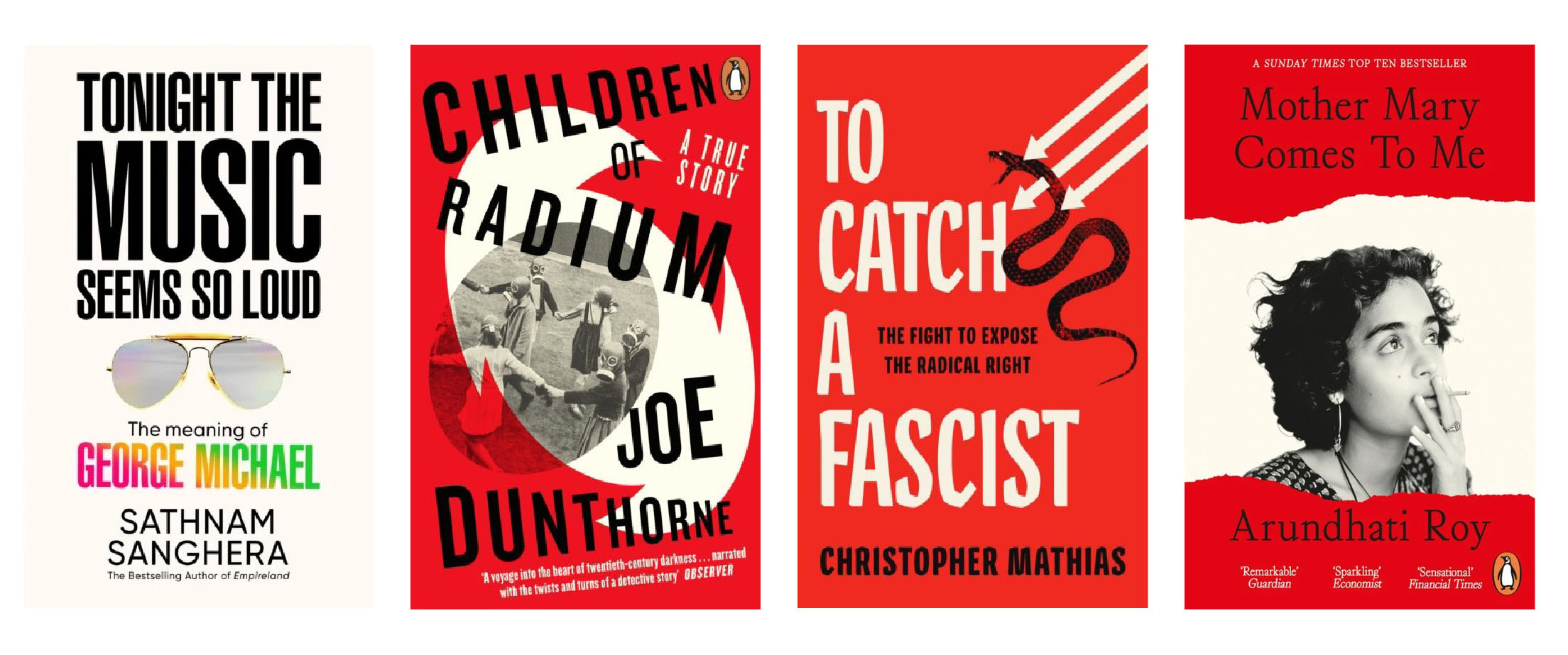
Non-fiction: Tonight the Music Seems So Loud, by Satnam Sanghera
A sharp, contextualized study of George Michael, if that’s what you want. And I do! Structured as a series of thematic essays, the book examines the cultural icon through the lenses of sexuality, British immigrant identity, and the brutal cost of celebrity. Sanghera admits he’s a fanboy, but he doesn't shy away from Michael’s complex personal or artistic contradictions.
Non-fiction: Children of Radium, by Joe Dunthorne
A truth is stranger than fiction family history featuring radioactive toothpaste, escape from Nazi Germany, return to Nazi Germany, chemical weapons and long-buried secrets. Joe Dunthorne investigates the uncomfortable truth about his family’s past, starting with his great-grandfather’s rambling, almost unreadable 2000-page memoir.
Non-fiction: To Catch a Fascist: The Fight to Expose the Radical Right, by Christopher Mathias
Mathias is a journalist who has covered the far-right in the USA for a while now and this book takes a look at their rise in the Trump era but more importantly how they are being opposed. At times, reading like a spy thriller, it covers the successful anti-fascist infiltration of clandestine neo-Nazi groups before pivoting to social and political commentary to look at the wider context in the US. If you want to read more after this, you’ll find the MediaMagazine interview with Mathias in the September 2026 issue.
Non-Fiction: Mother Mary Comes to Me, by Arundhati Roy
Roy’s memoir is an unflinching reflection on her mother, who was both her 'shelter and storm'. Mary Roy was a famous women's rights activist in Kerala and the book tracks her contentious and incredible achievements, as well as Roy’s own childhood under her mother’s volatile authority and their decades of estrangement and reconciliation. It’s as beautifully and lyrically told as you’d expect.
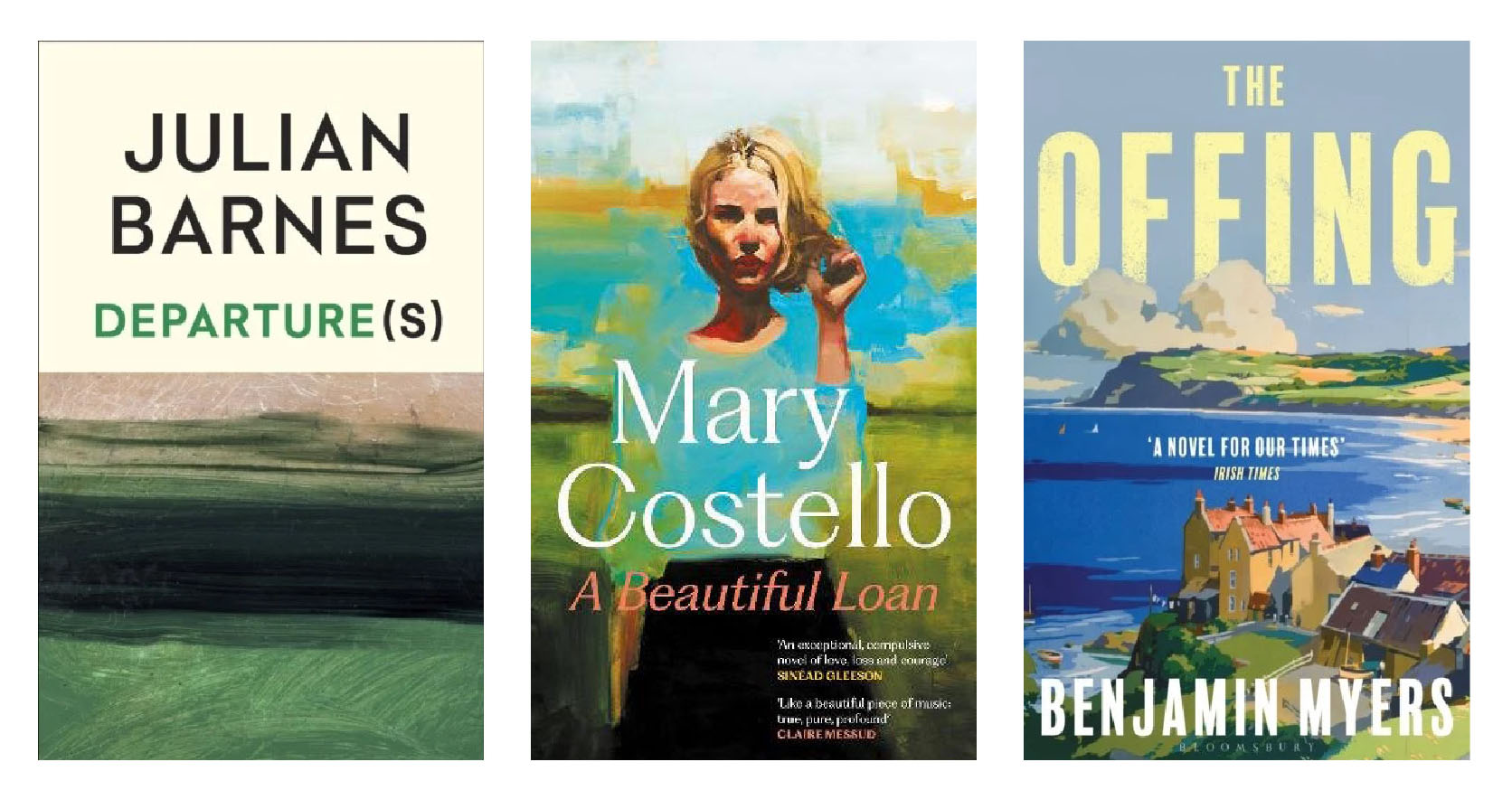
Departure(s), by Julian Barnes
Julian Barnes has declared this his final novel – and he’s going out on a high! The narrator, who bears an uncanny resemblance to Barnes himself, acts as matchmaker to Stephen and Jean – twice. Once when they are young, later when they are much older. In between, we have musings on life, happiness and endings, in a thoughtful, satisfying read.
A Beautiful Loan, by Mary Costello
This is the perfect read for fans of Claire Keegan’s fiction. It’s told in the quiet, reflective, intelligent voice of Anna as, at the age of 45, she looks back on her life. She isn’t just looking back on events, but also on decisions she made, trying to work out her motivations and desires, particularly as her decisions related to relationships. It’s literary fiction so, needless to say, those decisions weren’t always the right ones, but in offering them to the reader, she gives us the chance to reflect on our own life choices and, hopefully, like Anna, be at one with them.
The Offing, by Benjamin Myers
Set in a bruised, post-WWII England, this quiet, slim story follows sixteen-year-old Robert as he avoids a future in the coal mines by taking a coastal adventure, eventually crossing paths with Dulcie, an eccentric older woman living on the glorious Yorkshire cliffs. A story about outsiders, friendship and second chances, with some poetry wound in.
For Your Students
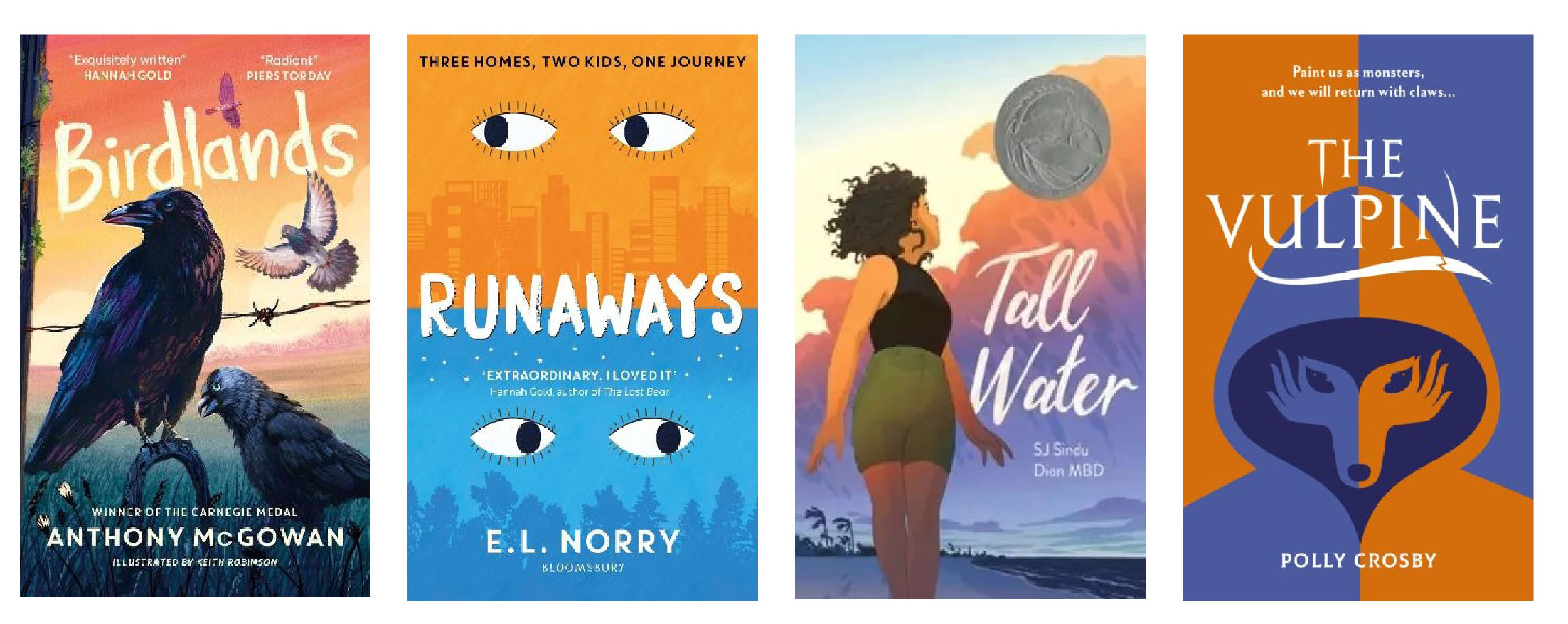
Birdlands, by Anthony McGowan
McGowan has written several short, accessible but meaty novels designed to capture the hearts and minds of young adult readers. This one is no exception! The story of three birds, struggling for survival, Birdlands, is a highly readable page-turner but it also raises important themes about the natural world, the individual and community, and why unselfishness and supportiveness to others really matter. A Barrington Stoke dyslexia-friendly quick read.
Runaways, by E.L. Norry
Two narrators, a boy and a girl, with very different reasons for running away and no intention of teaming up. Some parts are tense, other parts are sad, but the two characters gradually start to understand each other and everything works out in the end.
Graphic novel: Tall Water, by SJ Sindu, illustrated by Dion Mbd.
A teenager visits her mother in Sri Lanka. Tough themes – war, a tsunami, a strained relationship with her mother – beautifully depicted. LGBTQIA+ representation.
The Vulpine, by Polly Crosby
Inventive dystopia with some great twists which raises questions about disability in a KS3 friendly way.
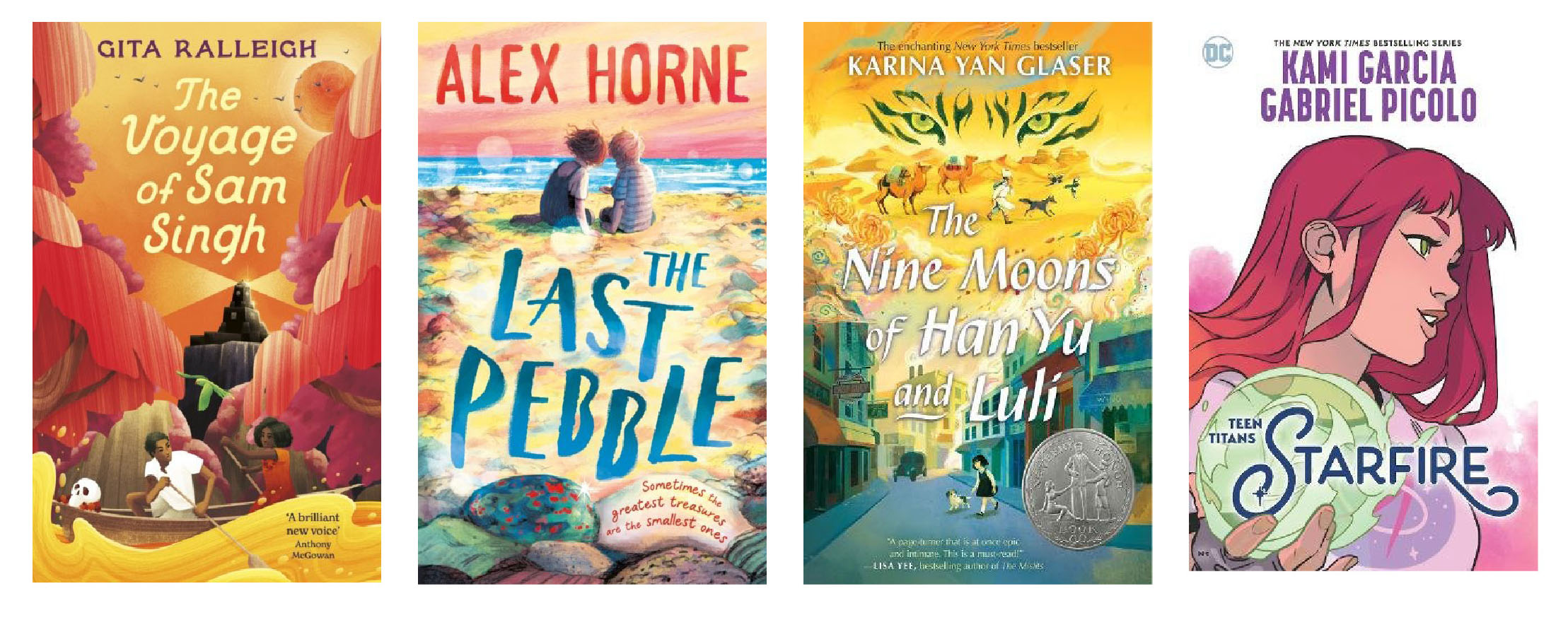
The Voyage of Sam Singh, by Gita Ralleigh
Magic realist race-against-time to save Moon, Sam's older brother, who has been missing for years and may, or may not, be a prisoner in notorious Octopus jail.
The Last Pebble, by Alex Horne
A very sweet little book from the TaskMaster creator about an awkward boy discovering his grandfather’s history.
The Nine Moons of Han Yu and Luli, by Karina Yan Glazer
Historical, magic realist novel good for Y7. Dual stories, one taking place in 1931 New York's China Town and the other in 731 in China. It is beautifully written and has won various awards in the U.S.
Graphic novel: Starfire, by Kami Garcia and Gabriel Piccolo
Part of the Teen Titans series. Kori has Ehlers Danlos Syndrome. When her uncle, CEO of a big pharmaceutical company, asks her to sign up for a clinical trial for a treatment, Kori discovers that the pull she always felt towards space has an origin she couldn't have guessed.